

Sustainability has become a central pillar for the textile industry. From reducing water consumption to the efficient management of chemicals, textile plants are looking for environmentally responsible processes without compromising the quality of their products. One key element is the valves , fundamental parts of sustainable operation.
How do valves contribute to the efficient use of resources?
Valves control the flow of water, steam and chemicals at different production stages, such as dyeing, finishing and washing of fabrics. How well they work has a direct impact on resource consumption.
For example, a valve that precisely regulates the water flow in a dyeing process avoids unnecessary waste and reduces the amount of wastewater that has to be treated afterwards. In addition, high quality valves minimise leaks and energy losses, avoiding indirect emissions and reducing the plant’s environmental impact.
Durability and maintenance: keys to sustainable processes
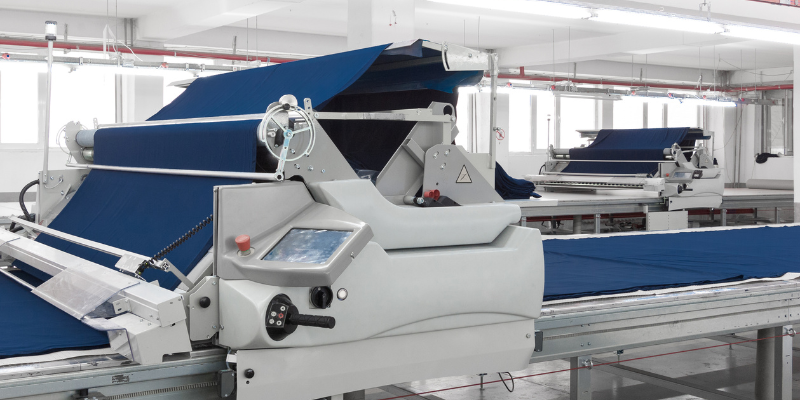
Fitting valves designed to withstand extreme conditions and to be integrated into automated control systems extends their service life. This reduces the need for frequent replacements and cuts the waste generated by obsolete or damaged parts.
As well as protecting the plant’s investment, the durability of the valves also reinforces its commitment to sustainability.
Digital integration for more responsible production
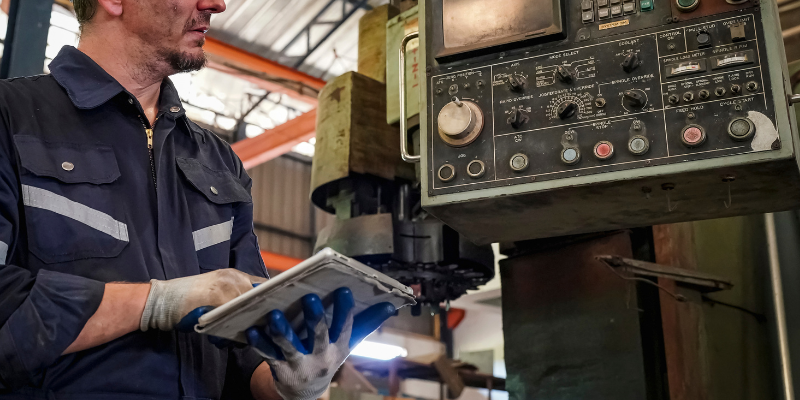
Valves can be integrated with digital monitoring systems, providing real-time information on flow, pressure and resource consumption. This information allows plant managers to optimise processes, detect anomalies and adjust parameters to reduce the environmental impact even further.
At Comeval Valve Systems we offer ARI-Armaturen solutions that combine reliability, efficiency and sustainability. Choosing the right valves guarantees a safer, more stable textile process and supports companies in their commitment to the environment, strengthening their reputation and competitiveness in the sector.